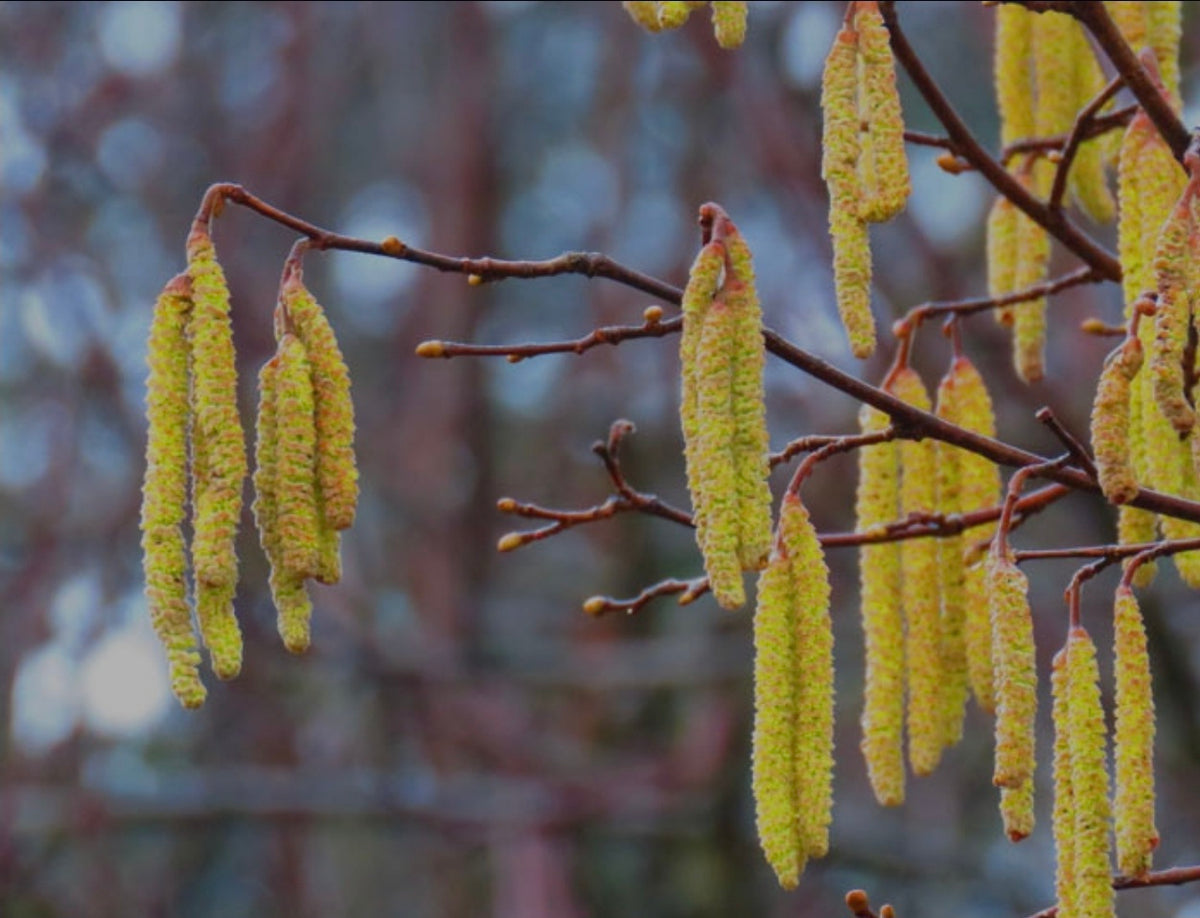
Cork Bark Corkscrew Hazel Bonsai (Corylus avellana 'Contorta').
Bring a true conversation piece to your collection with this stunning Cork Bark Corkscrew Hazel Bonsai. Renowned for its naturally twisted branches and rugged, corky bark, this deciduous bonsai has exceptional character in every season. During winter, the dramatic silhouette takes centre stage, while in late winter to early spring it produces attractive hanging catkins before fresh foliage emerges.
This mature specimen features an elegant, flowing trunk with excellent taper, intricate branching and an aged appearance that makes it equally impressive as a display tree or a rewarding bonsai for further refinement.
Features
Botanical Name: Corylus avellana 'Contorta'
Common Name: Cork Bark Corkscrew Hazel
Beautiful twisted branches with unique movement
Mature corky bark adds an aged, rugged appearance
Produces decorative yellow catkins in late winter
Deciduous tree with excellent seasonal interest
Established in a quality glazed bonsai pot
Ideal for intermediate to advanced bonsai enthusiasts.
Interesting Facts
Every branch grows with a naturally twisted, spiral form—no wiring is required to create its distinctive appearance.
The unusual corkscrew growth is caused by a naturally occurring genetic mutation, making each tree completely unique.
The decorative catkins often appear while the tree is still leafless, creating a spectacular winter display.
Even without leaves, the intricate branch structure makes this species one of the most visually striking deciduous bonsai.
Cork Bark Corkscrew Hazels can live for many decades with proper care, becoming increasingly characterful as the bark thickens and fissures with age.
Care Guide
Position: Full sun to part shade.
Watering: Keep soil evenly moist, particularly during spring and summer. Do not allow the soil to dry out completely.
Fertilising: Feed regularly throughout the growing season with a balanced bonsai fertiliser.
Pruning: Prune after leaves have hardened to maintain shape and encourage fine ramification.
Winter Care: A hardy deciduous species that benefits from its natural winter dormancy.